Tel:
+86 13143444311
Email:sst@szsst88.com
Fax:+0086-755-27322278
Address:Building 9, First Industrial Zone, Tantou Industrial City, Songgang Street, Baoan District, Shenzhen 518105, Guangdong, China
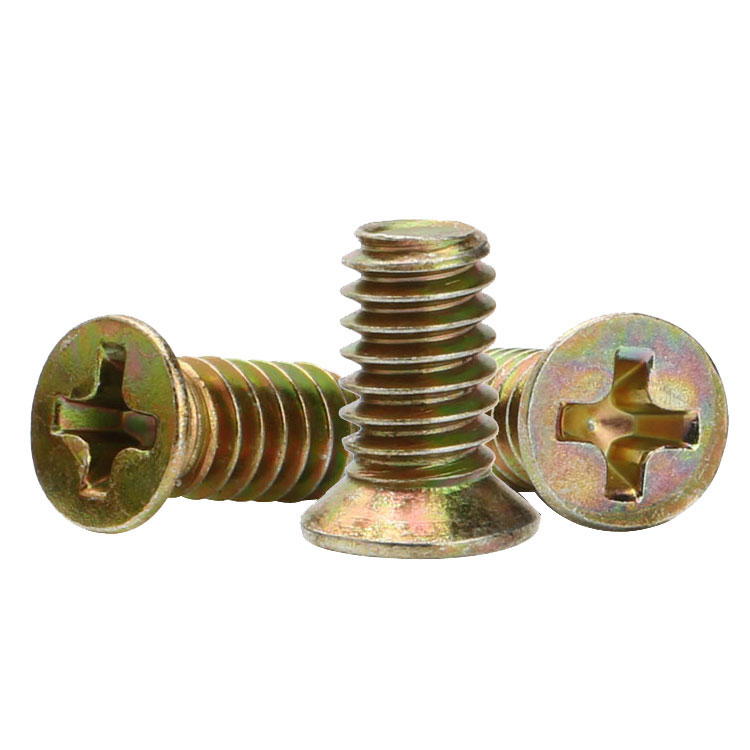
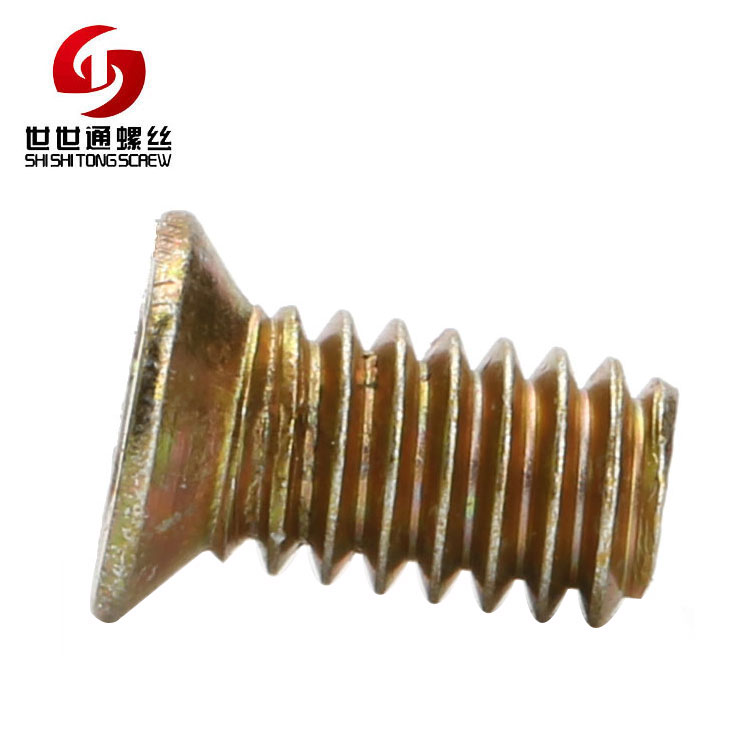
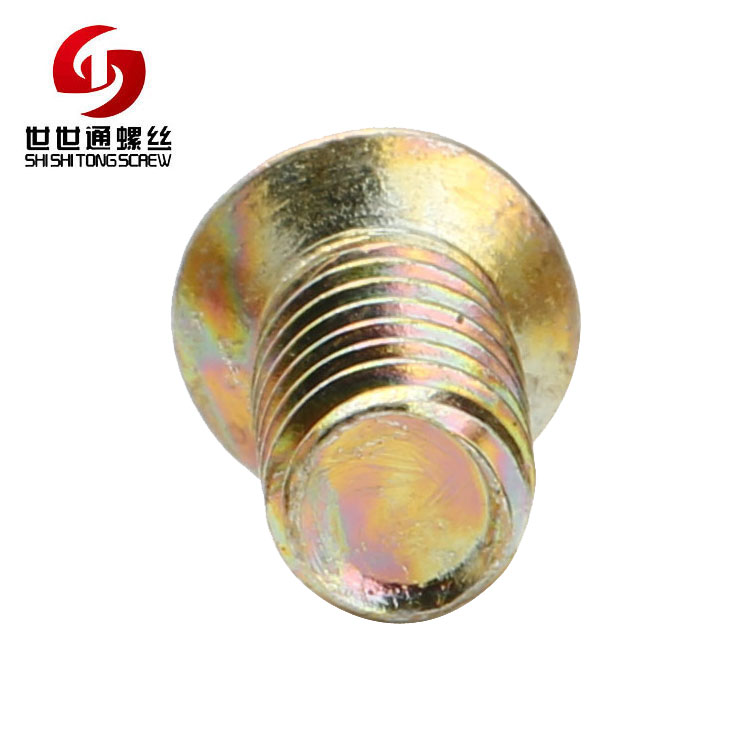
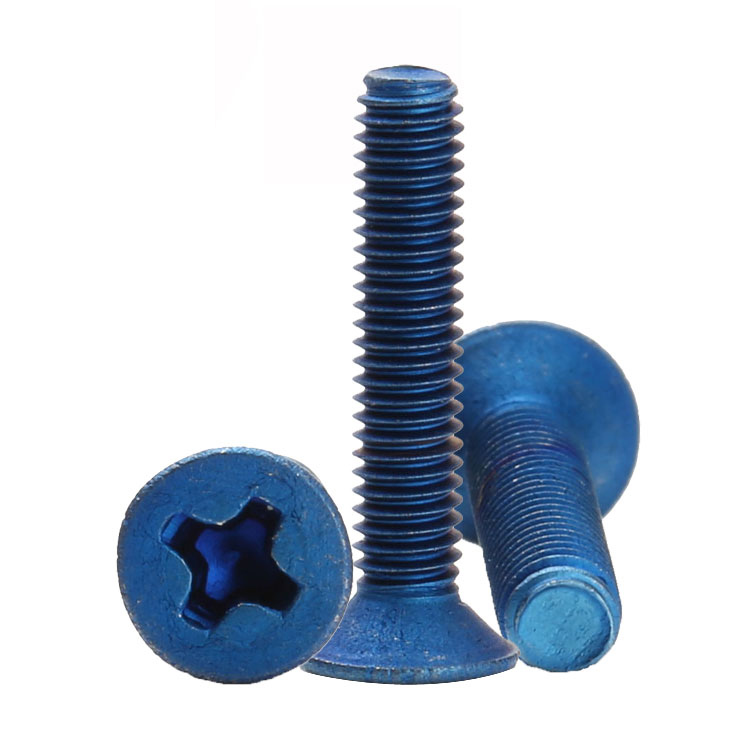
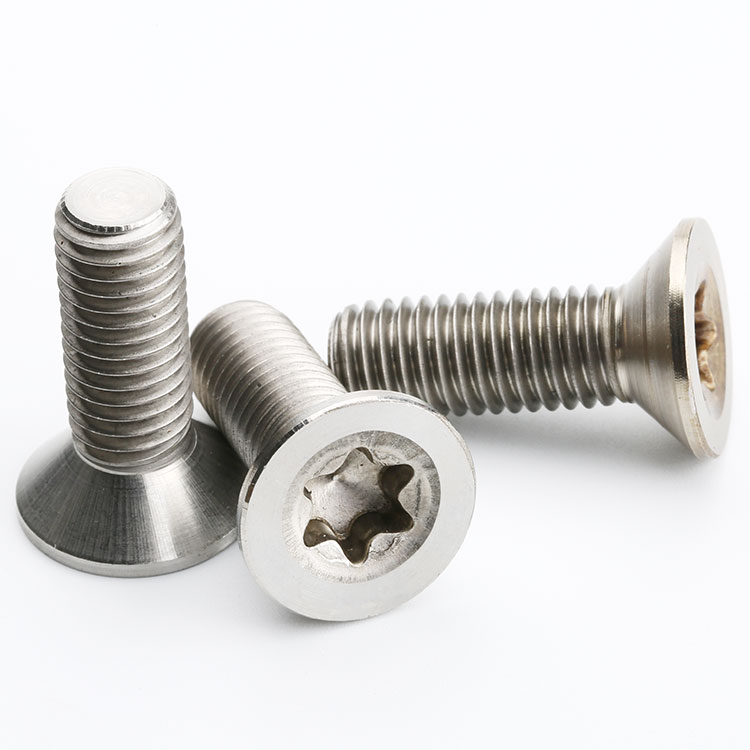
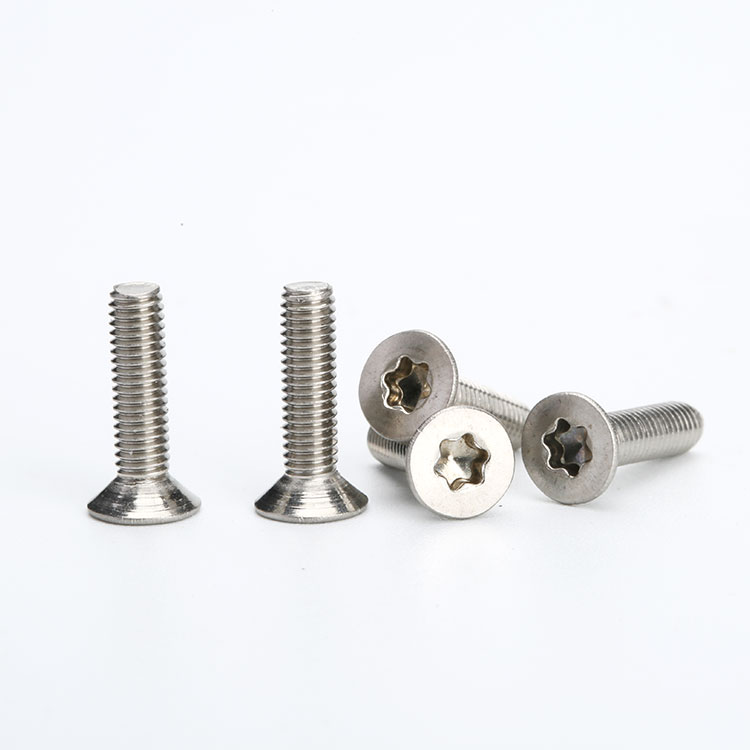
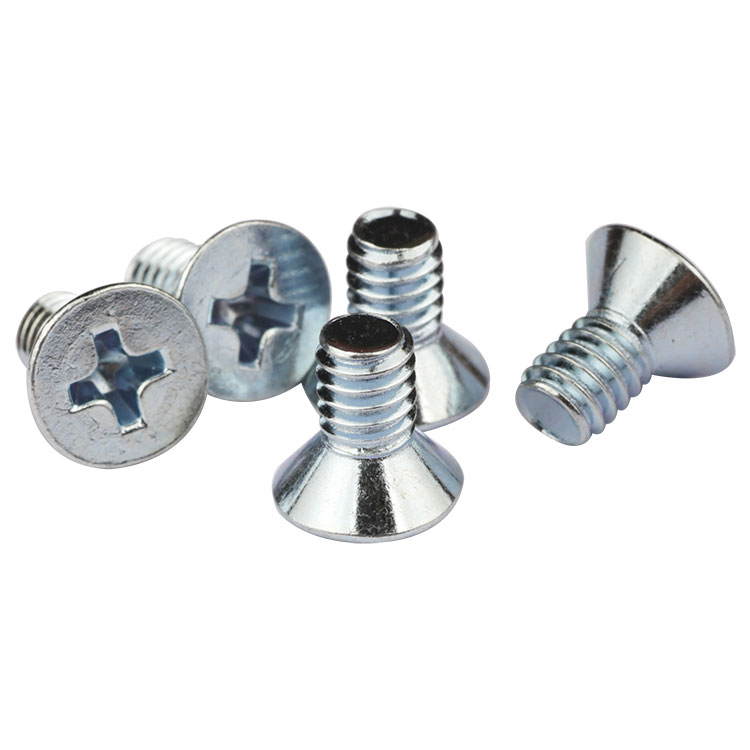
Type:Countersunk Head Machine Screw Fasteners
Materials:Carbon Steel
Surface treatment:Color Zinc Plated
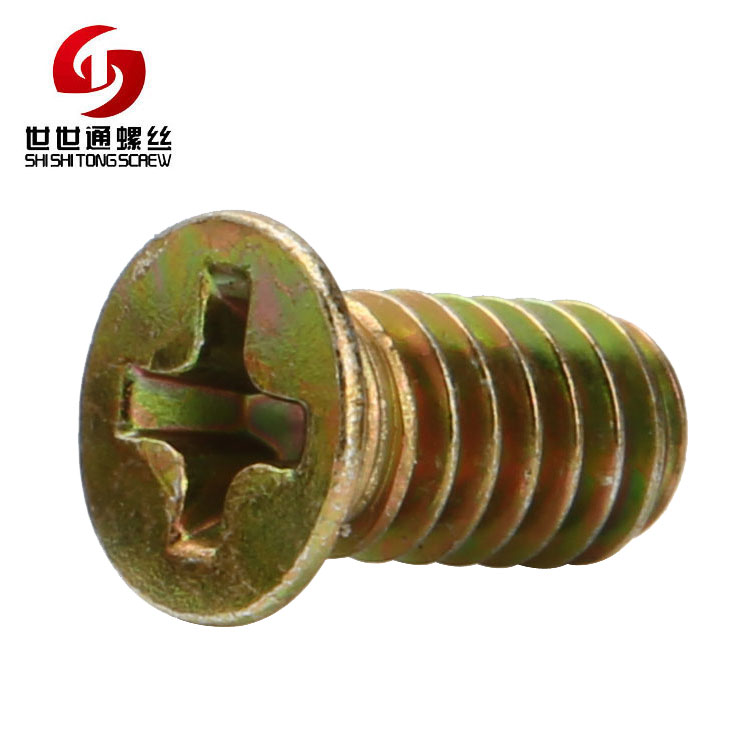
Head Type:Flat (countersunk)
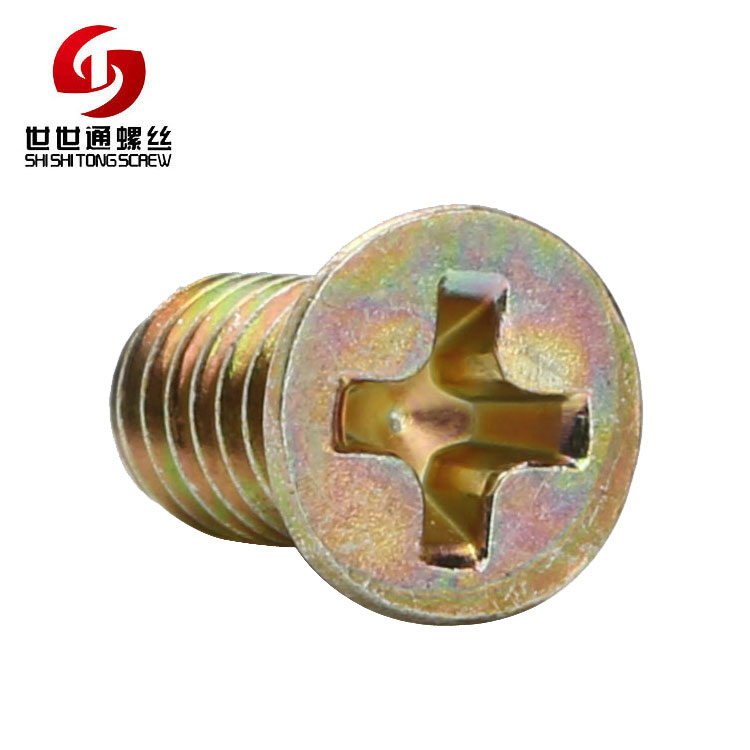
Drive:Phillips cross recess
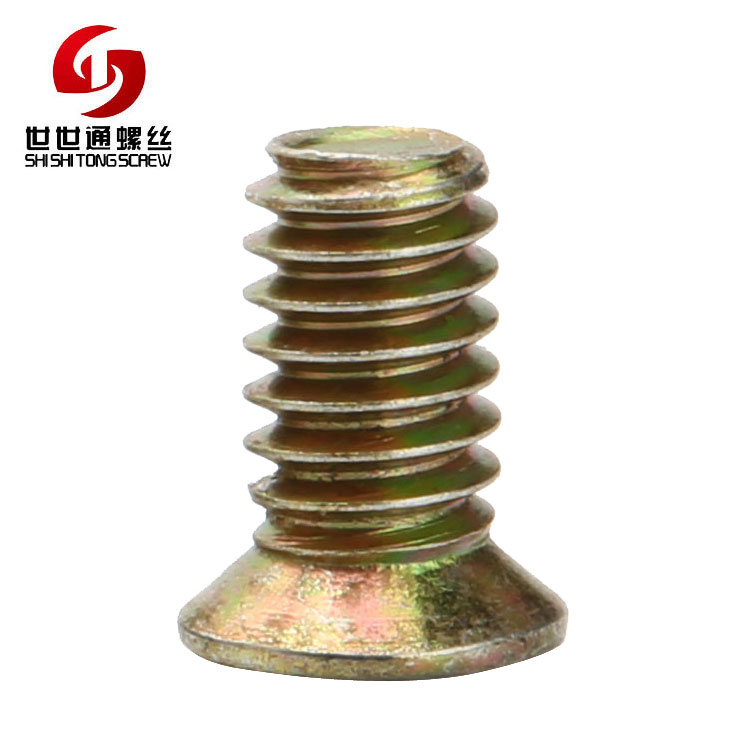
Thread:Machine thread
Point:Plain, chamfered
Forming:Single Die Heading
Size:M1 M2 M3 M4 M5 M6 M7 M8 M9 M10
We make countersunk head machine screw fasteners in carbon steel with a colour zinc finish, to dimensions taken from the drawing rather than from a catalogue. The coating thickness is agreed alongside the cone and head height, and the first article is seated in your plate.
Watch the factory video·Email sst@szsst88.com
ISO 9001:2015 · Manufacturing since 1998 · 8,678+ customers · 89 countries and regions
Made to order – there is no stock catalogue. Each part is produced to your drawing, and production starts after drawing review and first-article approval.
Countersunk head machine screw fasteners are machine screws with a 90 degree cone under the head, so the head seats flush in a countersink and the joint closes level with the surface. The part recorded here is carbon steel with a colour zinc finish, quoted from M1 to M10 with lengths made to the drawing.
Countersunk head. A conical underside that seats in a matching cone and finishes level with the surface.
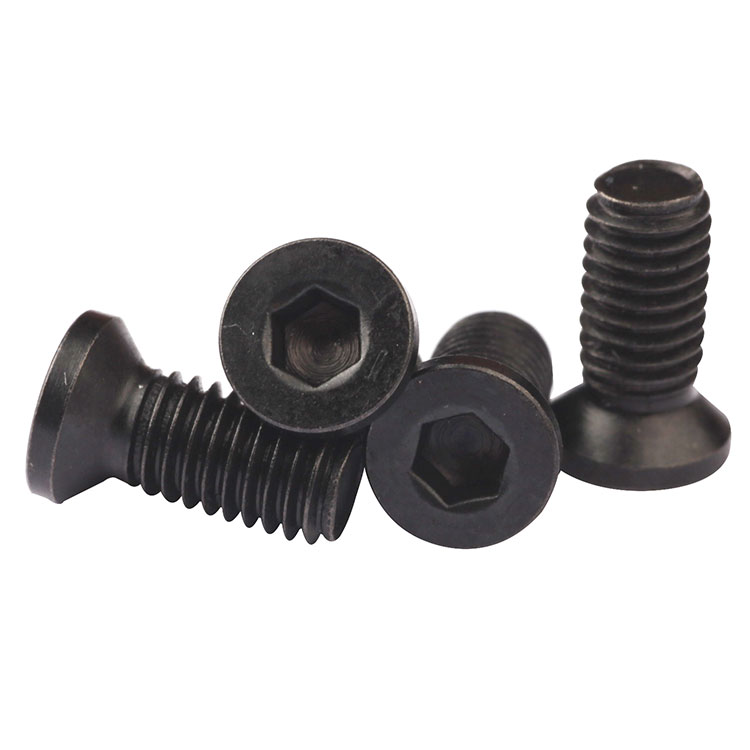
Cross recess. Four tapered arms driven by a matching bit, cut into the disc above the cone.
Colour zinc. A trivalent zinc with a coloured passivate, thicker than a clear finish and variable in tone.
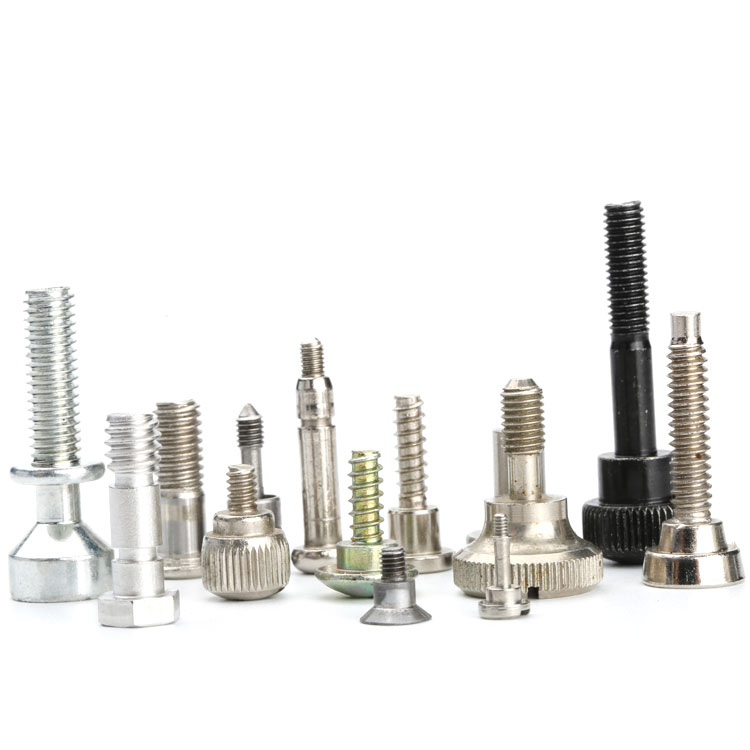
Custom sizes. Non-standard head diameters and lengths, made to a drawing rather than to a catalogue line.
They are used on panels, covers, appliance shells and equipment where a flush fixing is required inside a painted or plated assembly, and where the fastener often has to be made to a size no standard table covers.
A colour zinc finish is a zinc electroplate with a coloured passivate on top, and on a countersunk screw it matters in three places at once. First, it is thicker than a clear passivate, so the head sits a little higher in the seat. Second, the colour itself depends on the passivate thickness, so the tone of a batch tracks the coating thickness rather than being an independent choice. Third, on a cone the coating is loaded against the seat as soon as the screw is driven, so the film wears where it is thickest and shows a ring where it is thinnest.
On a standard countersunk head machine screw those effects are absorbed by the tolerance band. On a custom part they are not, because there is no catalogue dimension to fall back on: the head diameter, the cone depth and the seat were drawn for a purpose, and a coating that is a few micrometres thicker than assumed can turn a flush head into a proud one.
That is why on a countersunk head machine screw the coating belongs on the drawing as a thickness with a range, not as a colour name. A customer who asks for gold colour zinc is asking for a passivate family; the thickness that comes with it decides whether the head seats.
The colour of a countersunk head machine screw has to be judged against a sample rather than described. Yellow, blue and green passivates all fall inside what suppliers call colour zinc, and two batches can both be correct and visibly different. On a visible panel that difference is what the customer sees first, and on a scattered assembly it is what makes a set of fixings look mismatched.
What colour zinc buys on a countersunk head machine screw is a bright, corrosion-resistant finish at a low cost, with a tone that reads as a finished part rather than bare steel. That is why it appears on appliance and equipment hardware, where the alternative is usually a more expensive finish for the same visual result.
The recorded range is M1 to M10, with lengths and head dimensions made to the drawing. Custom lengths up to 2,000 mm are subject to the drawing submission and DFM review. The quotation for countersunk head machine screw fasteners carries the head diameter, the countersink angle, the head height, the PH size and recess depth, the coating thickness, the thread pitch and the overall length.
| Item | How it is defined | What we control |
|---|---|---|
| Cone | Countersink angle, usually 90 degrees | Angle and concentricity |
| Head diameter | Widest point of the cone | Diameter and rim form |
| Head height | Top face to the cone top | Height and face flatness |
| Recess | Phillips, PH size per diameter | Depth and floor thickness |
| Coating | Colour zinc, thickness range | Thickness and passivate tone |
| Thread | Machine thread in carbon steel | Pitch, length and start position |
Head height is measured to the top face, and on a custom countersunk part that number is often the one that was chosen rather than inherited from a table. It is also the number the coating moves, which is why the two are stated together.
Recess depth is bounded by the head height, and on a flush head the two are close. A coating that is heavier than assumed reduces the usable recess and can change which bit seats properly.
Length is measured over the head, and on a custom part it is worth confirming which datum the customer used. A length quoted from the end of the thread rather than from the head face is a common source of a part that does not close.
Four properties decide countersunk head machine screw fasteners, and each one carries a cost:
| Property | What it gives | What it costs |
|---|---|---|
| Flush cone | Nothing above the surface | The head must match the seat |
| Colour zinc | Bright, corrosion resistant finish | Thickness and tone vary with the passivate |
| Custom dimensions | A size no catalogue covers | No standard band to absorb coating variation |
| Carbon steel | Strength and cost | Dependent on the coating for corrosion |
The value is a fixing that fits a design which is already fixed: a seat cut for a particular head, a length chosen for a particular stack, a finish chosen to match a panel. Custom here means the drawing is the specification, not the catalogue.
The cost is that every variable has to be stated. A catalogue part hides its compromises in a tolerance band; a custom part exposes them, and the coating thickness is one of the ones that most often goes unstated.
The recorded finish is colour zinc. On a flush head it is the finish that most often surprises a customer, because the tone and the thickness move together and both are visible.
| Option | How it protects | Effect on cone and recess | Typical use |
|---|---|---|---|
| Colour zinc | Trivalent zinc, coloured passivate | Thicker; seating height and tone shift | Appliance and equipment panels |
| Clear zinc | Trivalent zinc, bright | Thinner; easier to control | General indoor work |
| Black zinc | Zinc with a dark passivate | Thin; wears bright on the cone | Dark assemblies |
| Zinc nickel | Higher corrosion resistance | Thicker; seat re-checked | Damp and industrial |
| Stainless, passivated | Passive film, no coating | No build at all | Wet and visible joints |
Where the joint is a flush one and the coating is colour zinc, the practical control is to specify a thickness band and to check the first article seated in the customer plate. That pairs the appearance decision with the dimensional one, which is the only way to keep a custom part predictable.
Where a thicker coating is needed for corrosion, the alternative is a different coating rather than more of the same. Zinc flake gives more protection without the same thickness, and stainless removes the question by having no film at all.
Three settings where a flush head must fit an existing design:
| Where it sits | The screw closes a painted or plated shell where the fixing must be flush and the colour must not stand out. |
| When it goes wrong | A colour zinc batch is a shade off and the fixings read as a different part. |
| Why it happens | The panel is visible, the fixing is repeated, and the coating is the finish. |
| What we control | Thickness band and tone sample agreed; first article fitted on the shell. |
| Where it sits | The screw closes a cover on a chassis where the seat was cut for a specific head diameter. |
| When it goes wrong | A standard head is substituted and either stands proud or drops below the surface. |
| Why it happens | The seat is fixed, the head is custom, and the joint is serviced. |
| What we control | Head diameter and cone angle verified; first article seated in the chassis. |
| Where it sits | The screw fixes a part where the heads are painted over or touched up after assembly. |
| When it goes wrong | A thick coating on the head shows under the paint as a raised disc. |
| Why it happens | The assembly is finished after fastening, and flatness is judged under paint. |
| What we control | Coating thickness controlled; first article finished and inspected. |
Four reasons that matter on a custom part with a visible coating, each tied to something the drawing has to prove:
|
Coating thickness written on the drawing
The coating is specified as a thickness band rather than a colour name, because on a custom flush head the film decides the seating height and there is no standard band to absorb it. Basis: Thickness band, not a name. |
Headed, recessed, threaded, plated
The cone and head are formed to the drawing, the recess cut, the thread rolled, and the batch plated and tone-checked against the sample. Basis: One route, tone checked. |
|
Seated in your plate
The first article is seated in the customer plate at the agreed coating thickness, because proudness only shows against the real seat. Basis: First article in your seat. |
Same tone, same thickness
The plating lot and the thickness band are recorded with the drawing revision, so a repeat order matches in appearance and in fit. Basis: Tone and thickness held. |
These screws are headed on single-die machines that form the cone and the top face in one stroke, cut with the cross recess, thread rolled and colour zinc plated as a batch. The first part of every run is measured on head diameter, cone angle, head height, recess depth, thread and length, and the coating thickness is checked on a sample from the lot.


|

|
On a custom head the tooling is made for the job, so the first decision is the blank and the second is the punch form. The cone and the disc above it have to divide the available height in the proportion the drawing asks for, and a punch that is a little off in either direction gives a part that measures close and seats badly.
Plating comes last and is the step that decides both the appearance and the fit. Colour zinc is controlled by passivate time and bath condition, and the tone tracks the film thickness; the batch is compared with the retained sample, and a sample part is measured for coating thickness at the head and in the recess.
Where the customer’s seat is tight, the plating thickness is adjusted rather than the geometry. That is a decision made with the customer on the first article, because it trades corrosion life against seating, and both are visible.
What decides whether countersunk head machine screw fasteners pass is the cone, the recess, the thread and the coating. The inspection agreement covers those, and the criteria come from the drawing.

Cone and recess on the projector |

Thread and start checked |

Core hardness checked |

Salt-spray testing of the colour zinc layer |
Cone angle, head diameter and head height are measured as one set, then the recess depth is read against them. Coating thickness is measured at the head and inside the recess, because on a flush head the film in the recess is what changes which bit seats.
Tone is checked against the retained sample under the same light, and the batch is accepted or rejected on that comparison rather than on a colour name. The record carries the plating lot and the thickness band.
A sample from every batch is seated in the customer plate and driven once. That cycle shows a head that stands proud, a cone that does not match the seat, or a coating that wears through at the cone during assembly.
Every batch is traceable to the wire it was made from and to the plating lot that finished it. The grade and heat number appear on the material certificate supplied with the parts, and the coating thickness is recorded for the batch.

ISO 9001:2015 |

RoHS test report |

Registered trademark |

Patent: security screw and driver |
With each shipment we supply the material certificate, the inspection record for the dimensions on the drawing including coating thickness, and the plating and RoHS reports. The documents carry the drawing revision and the batch number, so a repeat order of countersunk head machine screw fasteners seats and matches the same way.
More than 8,678 customers in 89 countries and regions have ordered from Shi Shi Tong; 87% of orders come from repeat customers and 56% through referrals. Most projects follow the same route: drawing review, first-article approval, then batches checked against that sample. On a custom flush head the first article is seated in the customer plate at the agreed coating thickness. Buyers visit during the process to review samples.
|
8,678+
customers served
|
87%
of orders from repeat customers
|
56%
of orders through referrals
|
89
countries and regions shipped to
|
Buyers and quality engineers visit for sample review, process discussion and supplier audits; the visit is arranged around production so the headers and the plating line can be seen on the day the parts run.

Customer group visit – sample review |

Customer group visit – process discussion |

Customer group visit – factory tour |

Customer visit – project kick-off |

Danish customer – drawing review |

Industry exhibition – meeting customers |
Colour zinc is thicker than clear, and on a custom head there is no standard tolerance band to absorb it. The coating thickness belongs on the drawing.
The colour comes from the passivate thickness. Both can be within the same family and still differ, which is why a retained sample is used.
Yes, within limits, and it is decided with the customer because it trades corrosion life against seating.
The head bears on its rim and stands proud. The seat angle is part of the joint and has to match the drawing.
It is a general indoor finish. For damp or industrial joints, zinc nickel or stainless is the honest answer.
Head diameter, cone angle, head height, PH size and recess depth, coating thickness, thread pitch and overall length.
How a custom flush head project runs from drawing to repeat delivery:
|
1
Send the drawing and the seat size
|
→ |
2
Cone, head and coating agreed
|
→ |
3
First article seated in your plate
|
→ |
4
Batch production and repeat orders
|
Each step is confirmed with you before the next one starts; the drawing revision from the first article is what repeat orders are checked against.
For a quotation, send the drawing with the head diameter, countersink angle, head height, PH size, coating thickness, thread pitch and overall length.
|
Head diameter
|
Cone angle
|
Head height
|
|
Coating
|
Thread pitch
|
Length
|
Sending a drawing? The form below does not take attachments. Email the PDF, DXF or STEP file to sst@szsst88.com with the part name and quantity in the subject line – the drawing is reviewed and a quotation follows.

 +86 13143444311
 sst@szsst88.com