
 +86 13143444311
 sst@szsst88.com






ENGINEERING GUIDE / PROCESS SELECTION
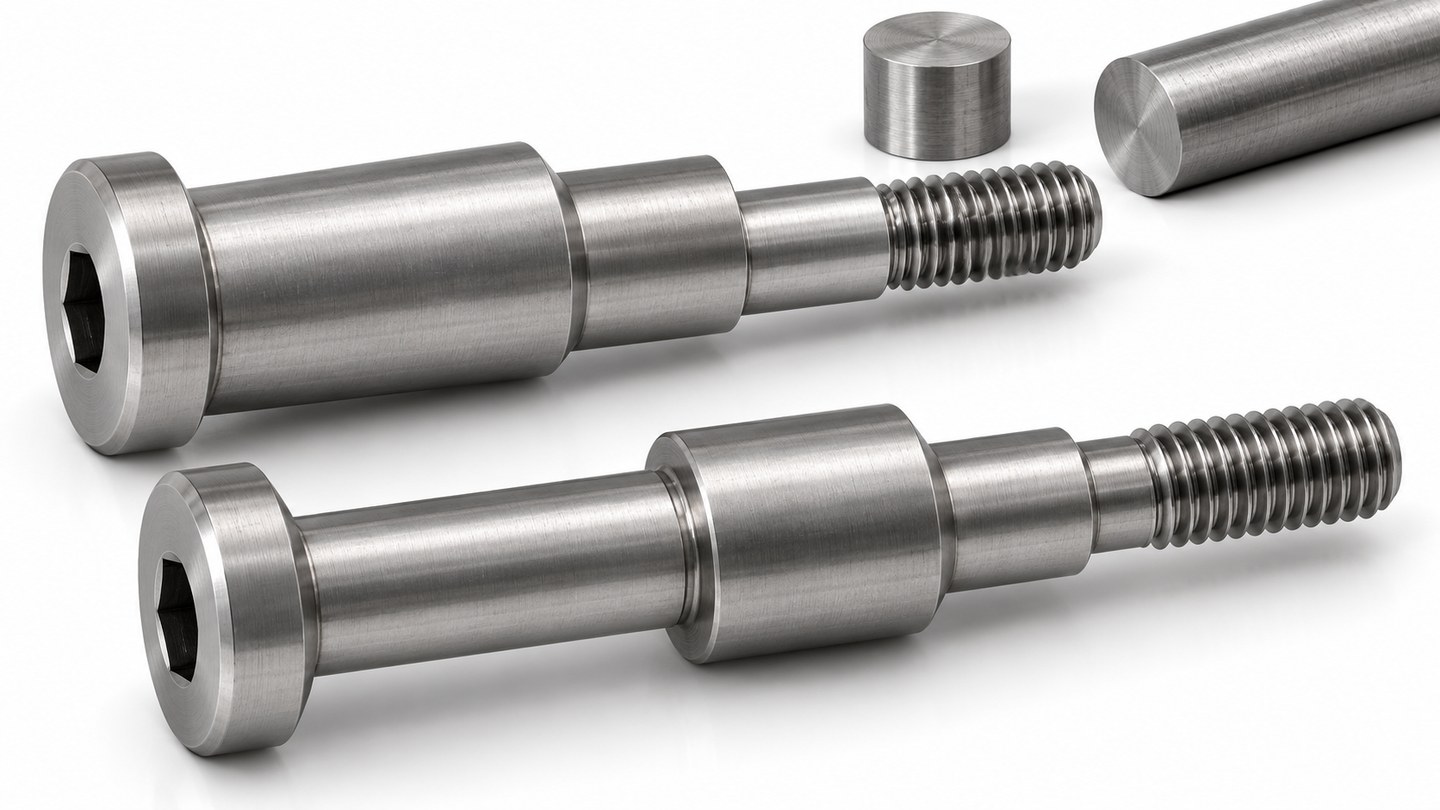
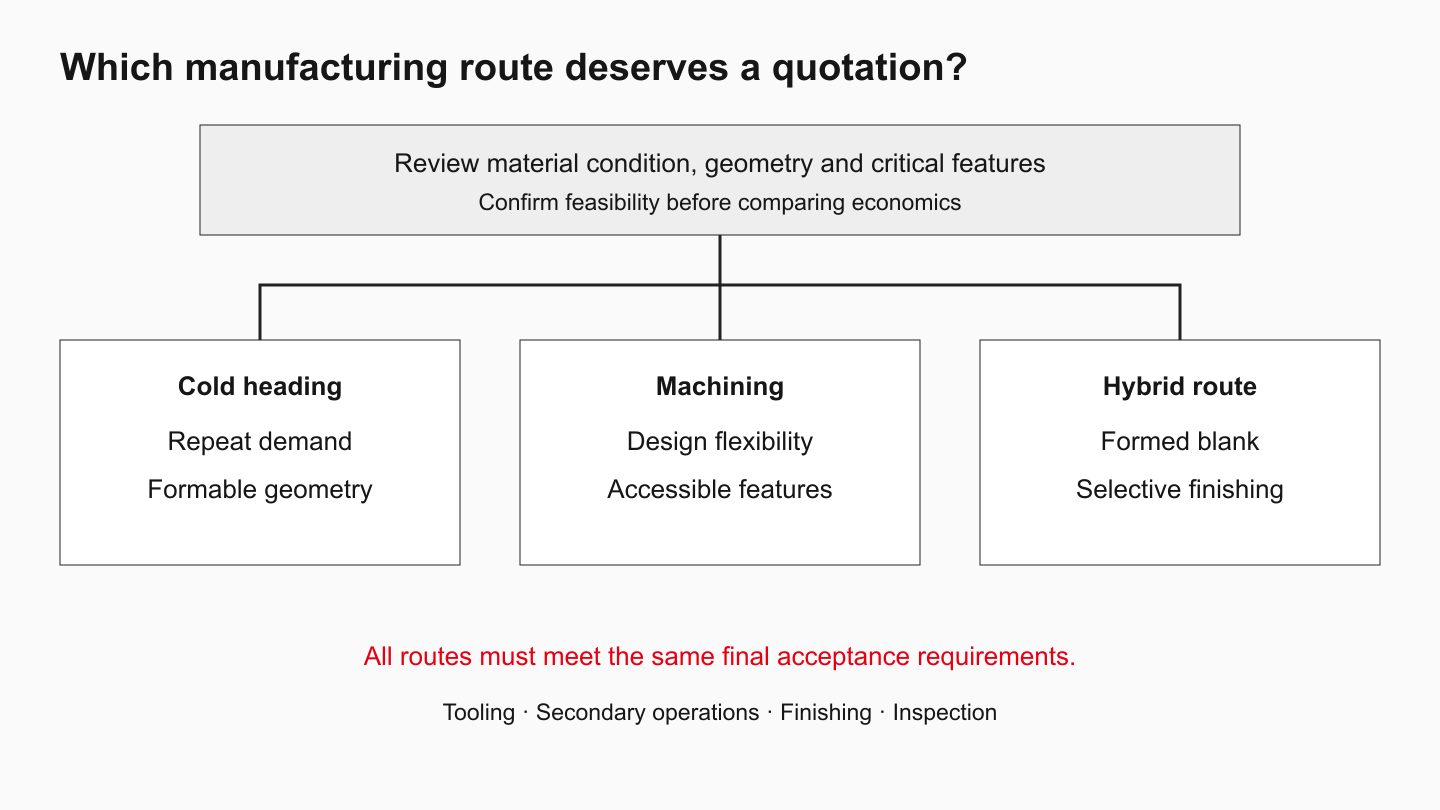
Choose cold heading when the material and geometry can be formed reliably and repeat demand supports dedicated tooling. Choose CNC machining when design flexibility, feature access or a small initial quantity matters more. For a complex custom screw, forming the blank and machining only the critical features may offer a third route.
The decision should follow the approved drawing and assembly requirements. A low unit price is not useful if the locating steps do not fit, the recess cannot transmit the required tightening torque, or the production process changes after sample approval.
01 Compare routes · 02 Geometry and material · 03 Hybrid processing · 04 Assembly needs · 05 Total cost · 06 Validation · Technical FAQ
1. Compare complete manufacturing routes
Cold heading reshapes a cut length of wire with punches and dies. CNC machining removes material with controlled cutting tools; turning is particularly relevant to cylindrical screw bodies. Neither term describes every operation needed to deliver a finished fastener. Recess formation, threading, heat treatment, finishing and inspection must also be included in the route.
| Decision | Cold heading | CNC machining |
|---|---|---|
| Geometry | Depends on material flow, forming stages and tool release | Depends on tool access, workholding and supported length |
| Upfront work | Dedicated forming tools and process development | Programming, setup, cutting tools and possible fixtures |
| Material use | Can reduce stock removal for suitable shapes | Removes stock as chips; stock size and geometry matter |
| Design changes | May require tooling changes | May be easier to revise, but fixtures and qualification can still change |
| Critical features | May require secondary finishing | Still require suitable datums, tool control and inspection |
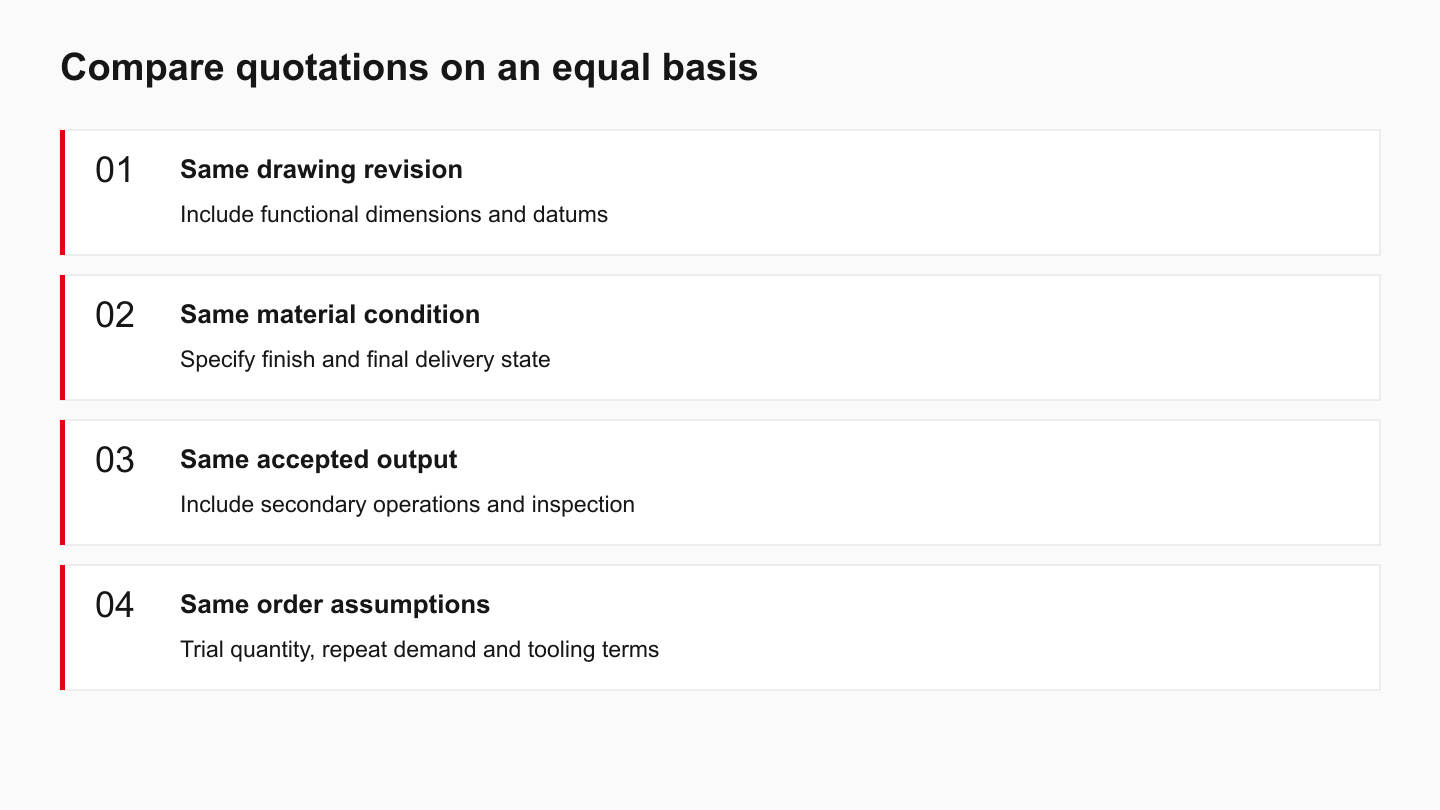
Compare the same material condition, drawing revision and acceptance criteria. Do not compare a headed blank quotation with a fully finished and inspected machined screw.
2. Review geometry and material before volume
Head, recess and transitions
A wide head on a narrow shank requires a forming review of the material being displaced. Deep recesses, abrupt section changes and slender portions can add difficulty. On a machined route, inaccessible internal corners, slender workpieces and repeated setups can also create constraints. A drawing that looks simple on screen may be difficult by either method.
Multiple steps and mating surfaces
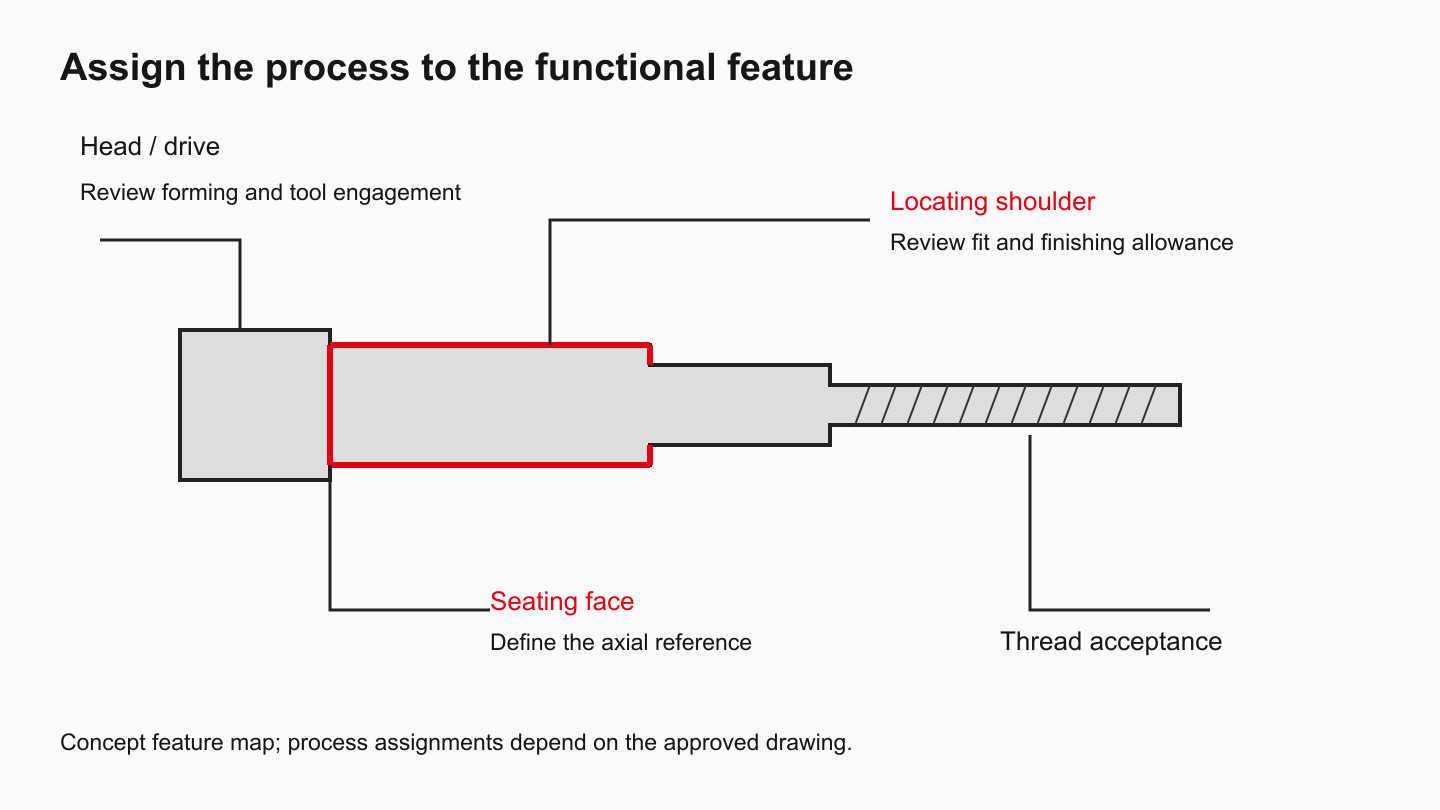
Identify which diameter locates each mating component, which face establishes spacing and which surface is cosmetic. Apply requirements to those functions instead of imposing one tight tolerance on every feature. Where several steps interact, use the multi-step fit and clearance checklist to define the mating relationships first.
Material grade and condition
The alloy name alone does not establish formability. Incoming condition, ductility and work-hardening behavior influence forming; machinability and tool wear influence cutting. A route that works for one grade or condition should not be transferred to another without review. Mechanical properties must be specified in the final delivery condition.
3. Consider a formed blank with selective machining
A hybrid route can retain the head and much of the shank from forming, then finish selected surfaces by machining. It is worth evaluating when only a few features drive precision or geometry requirements. It is not automatically cheaper: additional handling, locating, tooling and inspection can outweigh the reduction in material removal.
Blank to fixture: is there a repeatable locating surface?
Machining allowance: is enough material available at the feature being finished?
Finished part to assembly: are the functional relationships checked after all relevant operations?
Specify which surfaces remain as formed and which are subsequently machined. Confirm when threads and surface treatment are applied. A process label such as “cold heading + CNC” is not a substitute for this operation-level plan.
4. Let the assembly problem guide the choice
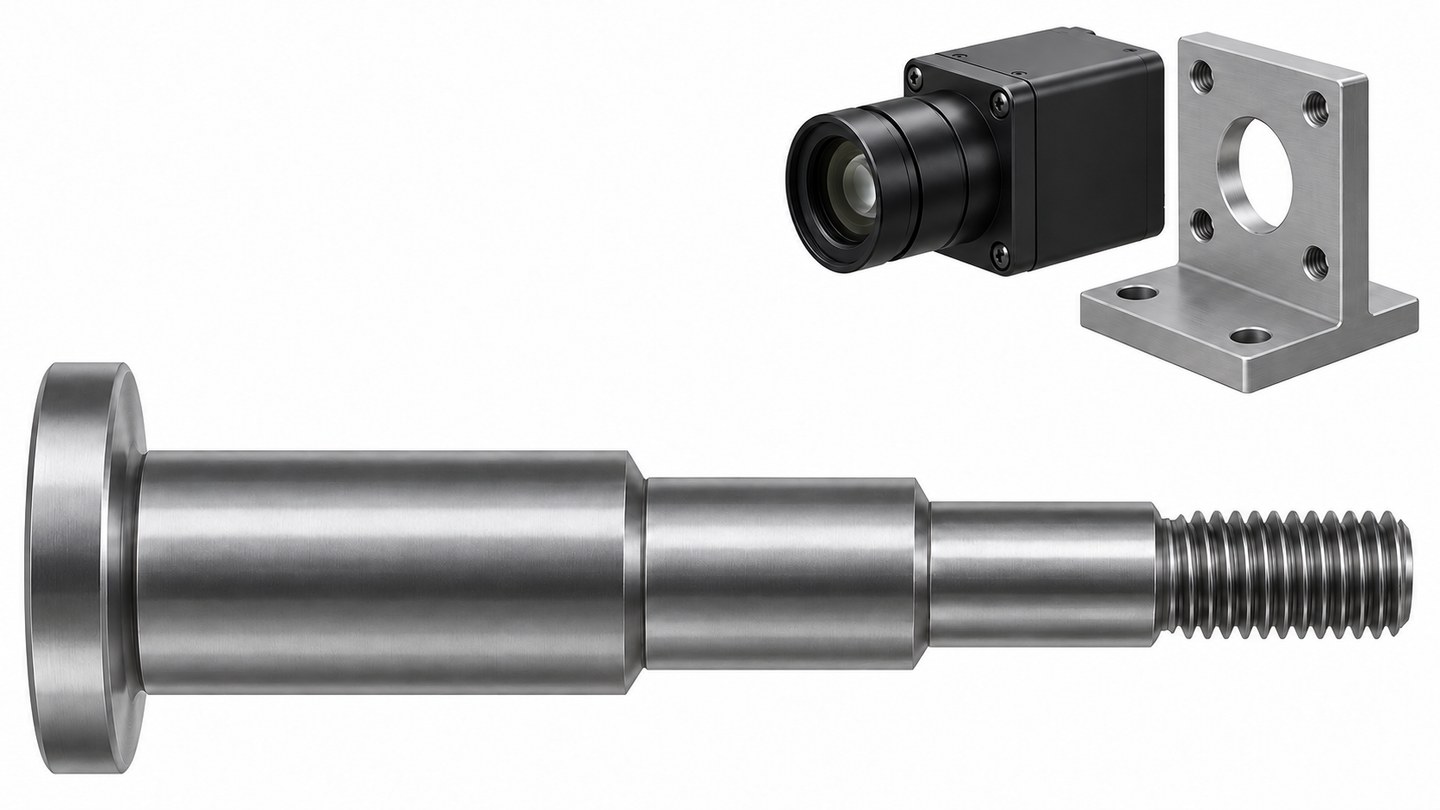
Machine vision equipment: alignment and service access
A custom multi-step screw may use separate lands to locate a bracket and an intermediate sleeve, with a smaller threaded end providing fastening. If a locating diameter or seating relationship changes between batches, replacement assemblies may need extra adjustment. Evaluate those features and the mating components together. Depending on the design, selective finishing may be useful while less critical surfaces retain broader tolerances.
Robot grippers: changes between prototype and production
Early gripper designs may undergo changes to jaw travel, clearance or service access. A machined trial part can support those iterations. Once the geometry is stable, assess whether forming or a hybrid route can meet the same functional requirements. Recheck assembly operation and relevant loads after a process change; an approved prototype does not validate an untested production route.
Equipment covers: recess durability and repeat assembly
A customized head or drive recess must work with the intended tool and installation conditions. Compare usable recess geometry, engagement and the specified verification method, not only the appearance of the head. Where repeated servicing matters, include that use condition in the drawing-review package.
5. Compare total cost at a realistic quantity
There is no universal quantity at which cold heading becomes cheaper. The crossover depends on tool investment, material use, cycle time, secondary operations, inspection and the likelihood of design changes. Forecast demand over an agreed period rather than treating an uncertain lifetime volume as a firm order.
Total route cost = fixed route cost + quantity × variable cost per accepted part.
For two feasible routes, the simplified crossover quantity is (fixed cost A − fixed cost B) ÷ (variable cost B − variable cost A), provided the denominator is positive and the cost assumptions remain valid.
Request comparable quotations at the trial quantity and expected repeat-order quantities. Include tooling ownership, modification charges, replacement tooling, finishing, inspection and packaging where applicable. Keep freight and other commercial assumptions consistent. This calculation is a purchasing aid, not a guaranteed saving or a supplier quote.
6. Validate the proposed production route
Before releasing tooling, agree which dimensions and functions are critical and how they will be checked. A process change can affect material condition, surface texture, residual stress and the relationships between features. Do not assume that matching nominal dimensions proves complete equivalence.
- Confirm the drawing revision, material grade and delivery condition.
- Identify reference surfaces and the method for checking critical relationships.
- Define thread acceptance and whether dimensions apply before or after coating.
- Check fit, seating, movement and tightening behavior using representative mating parts.
- Agree any required mechanical or application tests and the production sample approval criteria.
- Record approved process changes and traceability requirements.
Technical FAQ
Is cold heading the same as cold forming?
Cold heading is a type of cold forming, commonly used to create fastener heads and related features by upsetting a blank. Cold forming is the wider category and can include other deformation operations. In a quotation, ask for the actual forming sequence rather than relying on the label alone.
What are the disadvantages of cold forging?
For custom screws, potential limitations include tooling investment, high forming loads, material ductility requirements and restrictions on material flow or tool release. Work hardening and cracking risks must be assessed for the proposed grade and geometry. These constraints can favor machining or selective secondary operations; they do not mean all complex parts are unsuitable for forming.
Is cold heading always better than machining?
No. It can be effective for suitable repeat-production parts, but material formability, geometry and tooling economics must support the choice. Machining or a combined route may be more appropriate when those conditions are not met.
Are cold-headed screws always stronger?
No universal strength ranking applies. Forming can affect material structure and work hardening, but final performance depends on the material, heat treatment, geometry, thread process and defects. Compare the specified properties and relevant test results.
Can the same screw use both processes?
Yes. A formed blank can receive machining on selected features when the geometry, locating method and allowances support that sequence. Confirm the complete process and acceptance plan for the specific drawing.
Request a route review for your drawing
Send the drawing, material specification, mating-part requirements, finish, trial quantity and forecast repeat demand. Identify the features that control assembly performance and any design changes still expected. Shi Shi Tong can assess cold forming, precision machining or forming with secondary operations for the individual project.
Explore our custom special screw configurations, or email your drawing for a manufacturing review.
Further technical reading
SSINA: stainless steel fastener manufacturing explains manufacturing and material considerations. SPIROL: cold-headed versus machined solid pins provides a related process comparison; pin-specific recommendations are not screw specifications.